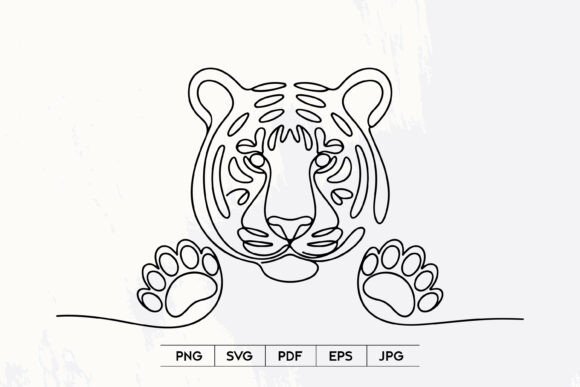
Cute Tiger Line Art Graphics for Editorial & Illustration Projects
As a blog designer and digital publisher, my first impression of this Cute Tiger Line Art SVG is immediately positive. It’s not just a graphic; it’s a versatile editorial tool. The minimalist, clean line art style creates a playful yet sophisticated mood. It feels artistic, modern, and slightly whimsical—perfect for content that wants to be approachable without sacrificing polish. This asset naturally supports niches like wildlife education, children’s content, mindful lifestyle blogs, creative entrepreneurship, and any publication needing a touch of clean, decorative charm.
Visual Mood & Reader Perception
This tiger line art asset communicates clarity and warmth. In a publishing workflow, visual tone is critical for establishing reader trust. A crisp, well-designed graphic like this signals that your content is thoughtfully crafted. It avoids the clutter of overly detailed illustrations, making it ideal for creating a strong first impression. When a reader sees this tiger integrated into a blog header or a Pinterest pin, they perceive the underlying content as more professional and credible. It’s a subtle but powerful way to elevate your entire page’s editorial quality.
Real Publishing Workflow Applications
Let’s get practical. Imagine you’re preparing a series of posts for an affiliate blog about jungle wildlife or a digital guide on animal symbolism. Here’s how this Cute Tiger Line Art SVG fits into a real content creator’s toolkit.
For blog featured images and article headers, the SVG format allows you to scale it perfectly to fit any hero image dimension without losing quality. You can overlay your headline text directly onto the tiger’s outline, creating a clear visual hierarchy that guides the reader’s eye.
In social media graphics and specifically for Pinterest pins, this design asset becomes a focal point. Its simple lines work beautifully on both dark and light backgrounds, ensuring your pin stands out in a crowded feed and has better click-through potential. The provided PNG and JPG files are ready for quick uploads to platforms like Canva for template creation.
For deeper content marketing, this graphic is excellent for downloadable resources and lead magnets. Use it on the cover of a digital guide about tigers, as an accent on a wildlife-themed worksheet, or as the central artwork for a printable design. The EPS and PDF files ensure it prints cleanly for physical resources, while the SVG allows for easy customization in design software for a unique brand identity.
Strengthening Content Performance & Brand Consistency
Consistency is key in digital publishing. Using this same tiger line art across your website header, your newsletter graphics, and your category thumbnails creates a cohesive visual system. Readers begin to recognize your content style instantly, which builds stronger category recognition and a more memorable visual identity for your small business branding.
This asset supports content performance directly. A stronger first impression on a blog post leads to longer page engagement. A more professional-looking graphic on an affiliate content visual increases the perceived value of the recommended product or service. In a crowded digital marketplace, these subtle design choices make your work look clickable and trustworthy.
Optimal Use Cases for This Graphic Design Asset
This Cute Tiger Line Art SVG works exceptionally well in certain editorial contexts.
- Hero images and article thumbnails where it can be large and impactful.
- Pinterest pins and blog graphics designed for visual discovery.
- Editorial accents within long-form text to break up content visually.
- Content upgrades like downloadable illustrations or coloring pages.
- Category visuals to tag and organize wildlife or animal-related posts.
- Newsletter headers and social media previews for email campaigns and link shares.
Contexts Requiring Careful Application
While versatile, this playful line art should be used carefully in some scenarios. In small mobile thumbnails, the fine details might become indistinct unless the SVG is simplified or the background contrast is high. Avoid placing it on text-heavy blog images where it could compete with readability. It may not suit serious professional niches or corporate content requiring a very austere visual system. On busy layouts or low-contrast backgrounds, its impact can be lost, so always test for clarity.
Practical Publisher Notes & Testing
Before committing this asset to a live project, run these real-world tests. Always test it on desktop and mobile screens. Check how it looks as a tiny thumbnail on your blog’s homepage. Preview it inside a real article layout with your usual fonts.
Experiment with text overlay: try placing the tiger beside a serif font for a classic editorial feel, a sans serif font for a modern blog look, or even a script font for a creative entrepreneur’s brand. Check contrast and readability—does the outline disappear on a grey background?
For web performance, remember that while the SVG is scalable and often small, the PNG and JPG outputs should be compressed properly for fast loading. Finally, a crucial step for any commercial design work: confirm the commercial licensing before using this on monetized websites, affiliate pages, or within paid content products like digital downloads or Canva templates for sale.
The Final Word for Content Creators
The Cute Tiger Line Art SVG is more than a cute graphic; it’s a strategic design asset for elevating your publishing work. From boosting the visual appeal of a digital guide to solidifying the brand identity of a wildlife-focused newsletter, its clean, minimalist style offers flexibility and polish. By integrating it thoughtfully into your blog graphics, editorial design, and content marketing materials, you invest in the visual communication that ultimately builds reader trust and supports your creative or commercial goals.