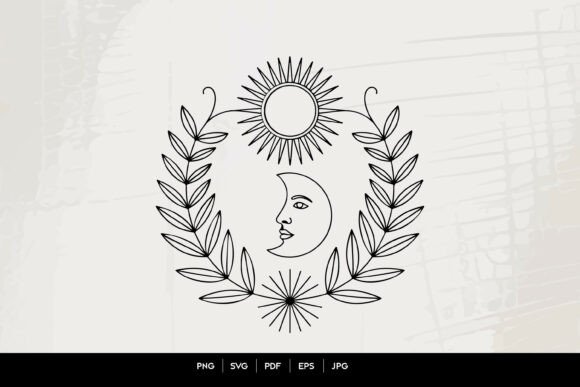
Celestial Sun Moon Face Botanical Line
First Impressions: A Quiet, Confident Kind of Magic
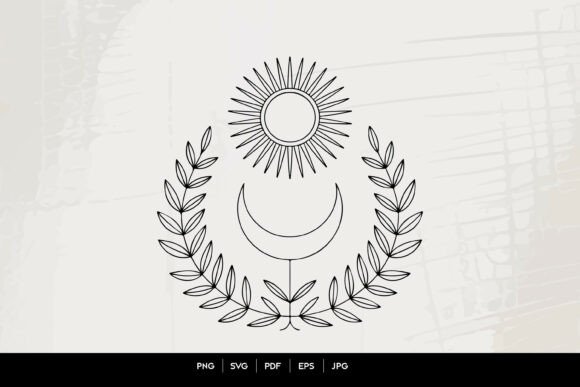
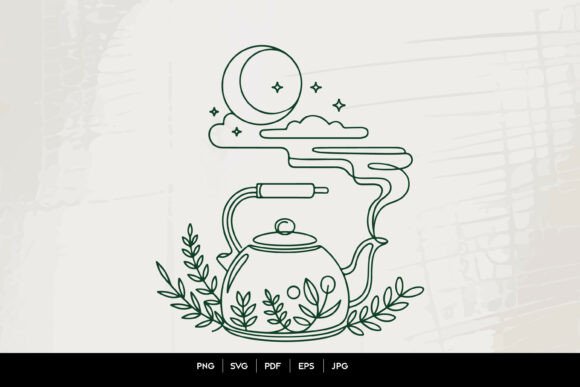
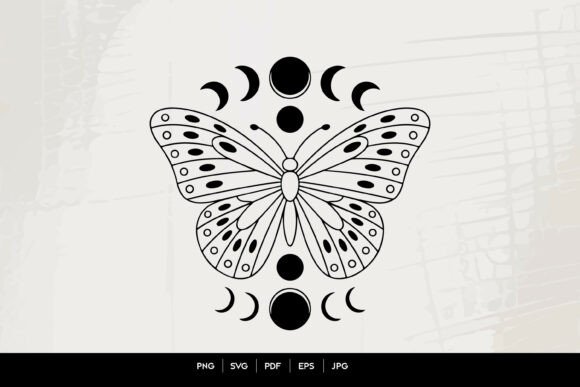
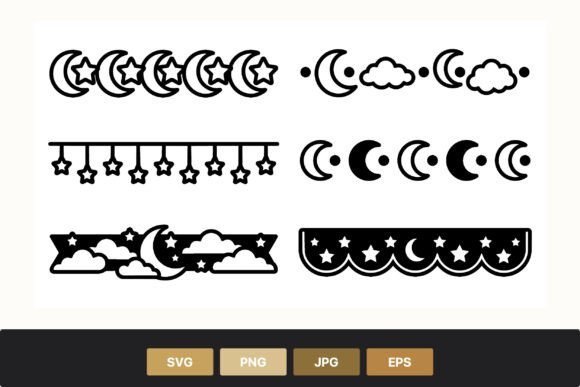
When I opened the Celestial Sun Moon Face Botanical Line files, I didn’t see “trendy”—I saw intentional. This isn’t a cluttered celestial mashup. It’s a balanced, breathing composition: a gentle crescent moon face cradled beside a soft sun face, both woven through with slender botanical stems and delicate leaves. The line work is clean but not sterile—there’s subtle variation in stroke weight, a quiet rhythm that suggests hand-drawn care, not algorithmic repetition. As an embroidery designer who’s stitched hundreds of motifs for client projects and my own small shop, I immediately sensed its potential as a handmade product anchor—not a background filler, but a focal point with personality.
Real-World Use: That Tote Bag Moment
Last week, I prepped a custom order: an organic cotton tote for a local herbalist’s pop-up shop. She wanted something mystical but grounded—no glitter, no cliché mandalas. I pulled up the Celestial Sun Moon Face Botanical Line and mocked it on a 5” hoop layout. At that scale, the faces read clearly, the botanical lines stayed legible (no bleeding or stitching gaps), and the overall shape fit the tote’s side panel without crowding. When stitched in matte cotton thread on unbleached canvas, it looked like it belonged—not printed, not slapped on, but grown into the fabric. Customers paused. They touched the stitch texture. That’s the sign: this design earns attention without shouting.
Where It Shines—and Where to Pause
The Celestial Sun Moon Face Botanical Line excels in projects where mood matters more than motion: pillow covers, aprons, kitchen towels, and nursery decor. Its open line structure handles fill stitch gracefully, avoids dense thread build-up, and reads beautifully in satin stitch for clean outlines. On sweatshirts and tote bags, it balances weight and airiness—no heaviness, no visual fatigue.
But here’s what I check every time: tiny details on textured or stretchy fabric. That crescent’s inner curve? Lovely in vector—but on a ribbed knit cap or a loosely woven linen tea towel, it can blur if hooped too loosely or stitched with low-density fill. Same goes for baby embroidery: fine botanical tips may soften on interlock jersey unless stabilized well. And while it works on dark fabric, I always test thread contrast first—matte charcoal thread on navy gives depth; glossy silver can look costumey.
Design Integrity in Practice
This isn’t just about prettiness—it’s about trust. When an Etsy seller uses the Celestial Sun Moon Face Botanical Line on a personalized gift, the clarity of the faces and flow of the botanicals tells the buyer: “This was chosen, not scrolled past.” It elevates a simple embroidered patch from craft-fair basic to boutique-ready. For commercial embroidery, it scales cleanly across sizes—no pixelation in mockups, no jagged edges when resized for a custom apparel line. And because it’s delivered as SVG, PNG, EPS, JPG, and PDF, I can prep clean vector files for digitizing, use the PNG for quick social mockups, and drop the PDF into client presentations—all without reworking.
Practical Designer Notes (Not Just Suggestions—Non-Negotiables)
- Always test on scrap fabric first—especially with the botanical stem ends and facial contours. See how they hold on your target fabric: cotton duck vs. brushed poly vs. baby terry.
- Review stitch density before finalizing. This design leans linear, but some digitizers add unnecessary fill behind the faces. Keep it light unless you want a heavier tactile feel.
- Confirm hoop size compatibility early. The natural width fits standard 4x4 and 5x7 hoops—but if you’re planning a larger tote bag design or wall hanging, verify the vector file scales without distortion.
- Inspect small details at actual stitch size. Zoom in on your embroidery software. Those leaf tips? They should land crisply—not fizzle into a single-thread run.
- Test black-and-white mockups. Does the balance hold? Does the moon face still read as distinct from the sun when stripped of color context?
- Use tear-away + cut-away stabilizer combo on lightweight or stretchy fabrics. The line work needs support, not stiffness.
- Check licensing before selling finished items. Since this is listed as a Graphics asset in the Illustrations category, confirm whether commercial use of stitched products is included—or if you need extended rights for your craft business.
Why It Fits Your Shop—Not Just Your Sewing Machine
If you sell on Etsy or run a small shop, the Celestial Sun Moon Face Botanical Line quietly strengthens your brand. It’s distinctive enough to become recognizable (think repeat customers asking, “Do you have that moon-and-herb one?”), but versatile enough to adapt—swap thread colors for seasonal palettes, pair it with minimalist typography for wedding gifts, or layer it subtly on a holiday embroidery collection. It doesn’t scream “boho”—it is boho, thoughtfully distilled. That builds customer trust: they sense curation, not content churn.
And for digital product sellers? This is solid design assets material. Bundle it with coordinating botanical line elements, offer alternate face expressions (winking moon, closed-eye sun), or create printable mockup kits for fellow designers. Its clean lines translate flawlessly to print, web, and stitch—making it a rare triple-threat digital embroidery file.
Final Thought: Design That Stays With the Stitch
I’ve used dozens of celestial motifs over the years. Most fade after two seasons. The Celestial Sun Moon Face Botanical Line feels different—it lands softly but stays present. It doesn’t compete with the fabric or the wearer’s story. It holds space. That’s the mark of a design built for real life: not just stitched, but lived with. Whether you’re embroidering a personalized gift, launching a small shop product, or building a cohesive commercial embroidery catalog, this one earns its place—not as decoration, but as quiet intention made visible, one careful stitch at a time.